If you work in financial services, you will know that FCA applications are rarely a simple process. For many firms, it can become frustrating, time-consuming, and, at times, demoralising. Rejections, requests for further information, and repeated delays can leave business owners wondering whether they will ever reach authorisation.
Recently, we supported a firm that had experienced exactly this situation.
Throughout 2025, the company received repeated negative responses from the Financial Conduct Authority (FCA). Rather than progressing smoothly, the application process stalled. Eventually, the regulator advised the firm to withdraw and return with a new application in the new year.
At that point, the business approached My Compliance Consultant for support.
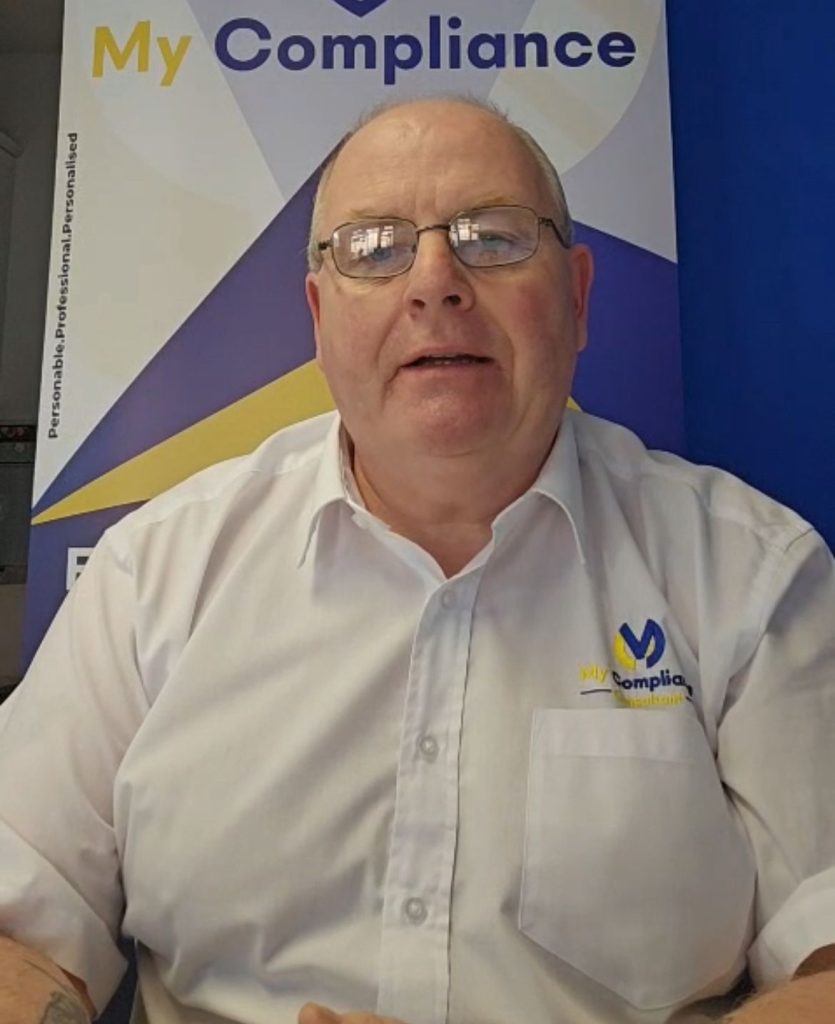
Before we go any further, it is worth watching the video below, which explains the process and outcome in more detail.
(Watch the video first)
Understanding the Real Issue Behind FCA Applications and Rejections
When firms receive repeated rejection feedback from the FCA, the natural response is often to make small adjustments to the existing application. However, this approach can sometimes prolong the problem.
Instead, we took a step back.
First, we conducted a full gap analysis of the firm’s application and supporting documentation. This involved reviewing the entire compliance framework rather than simply editing individual sections.
As a result, several areas required significant improvement.
Aligning Policies and Procedures with the Business Model
One of the most common reasons applications struggle is that policies and procedures do not fully reflect how the business actually operates.
Therefore, our first priority was to ensure that the firm’s documentation aligned properly with both its business model and regulatory expectations.
Consequently, the policies and procedures were completely rewritten to ensure they were:
- Clearly structured
- Fully aligned with regulatory standards
- Consistent with the firm’s operational model
- Practical and implementable in day-to-day business activities
In addition, we ensured that the documentation demonstrated to the FCA that the firm understood its regulatory obligations and had systems in place to meet them.
Strengthening the Compliance Monitoring Programme
Next, we reviewed the compliance monitoring programme, which is another area that regulators examine closely.
Rather than treating this as a simple checklist, we rebuilt the framework to ensure that it properly addressed both business risks and regulatory risks.
Specifically, the programme was redesigned to include:
- Clear identification of key risks
- Defined mitigation measures
- Named individuals responsible for monitoring those risks
- Specific monitoring frequencies and reporting structures
As a result, the firm could demonstrate that its compliance framework was structured, proactive, and sustainable.
The Outcome: FCA Approval Within Three Weeks
Once the application had been fully revised, it was resubmitted to the FCA.
The result was a dramatic turnaround.
Within three weeks, the application was approved.
After months of delays and rejections the previous year, the firm was finally authorised and able to move forward with confidence.
Key Lessons for Firms Applying for FCA Authorisation
This case highlights several important lessons for firms preparing for FCA approval.
Firstly, repeated rejections can be extremely draining. Many firms spend months trying to fix small details without addressing the underlying issues.
Secondly, a fresh pair of eyes can make a significant difference. When someone reviews the application objectively, it becomes easier to identify structural gaps that may not be obvious internally.
Finally, strong compliance documentation is not just about satisfying the regulator. It also ensures the business is operating within a robust and sustainable regulatory framework.
Preparing for Success the First Time
At My Compliance Consultant, we regularly support firms that are either:
- Preparing for their first FCA application, or
- Trying to move forward after repeated regulatory feedback or rejection.
In both cases, the goal is the same: to ensure that your policies, procedures, and compliance framework are fully aligned with regulatory expectations before submission.
This approach not only improves the likelihood of approval, but it also saves significant time, stress, and cost.
If you are preparing for FCA authorisation, or if your application has been rejected previously, it may be worth stepping back and reviewing the entire framework.
Sometimes, the difference between rejection and approval is simply having the right compliance structure in place from the start.
See our video for more: